All
The Hidden Cost of "Steps to Reproduce": Why Your Dev Team is 20% Slower Than It Should Be
Stop wasting developer hours on vague bug reports. Discover how the "Steps to Reproduce" cycle is killing your sprint velocity and how to reclaim 20% of your team's productivity.
2 min

The Hidden Cost of "Steps to Reproduce": Why Your Dev Team is 20% Slower Than It Should Be
"It doesn’t work."
If you are a CTO or a Lead Dev, those three words are the start of a multi-hour heist. Someone just stole your focus and they are about to steal your team's velocity.
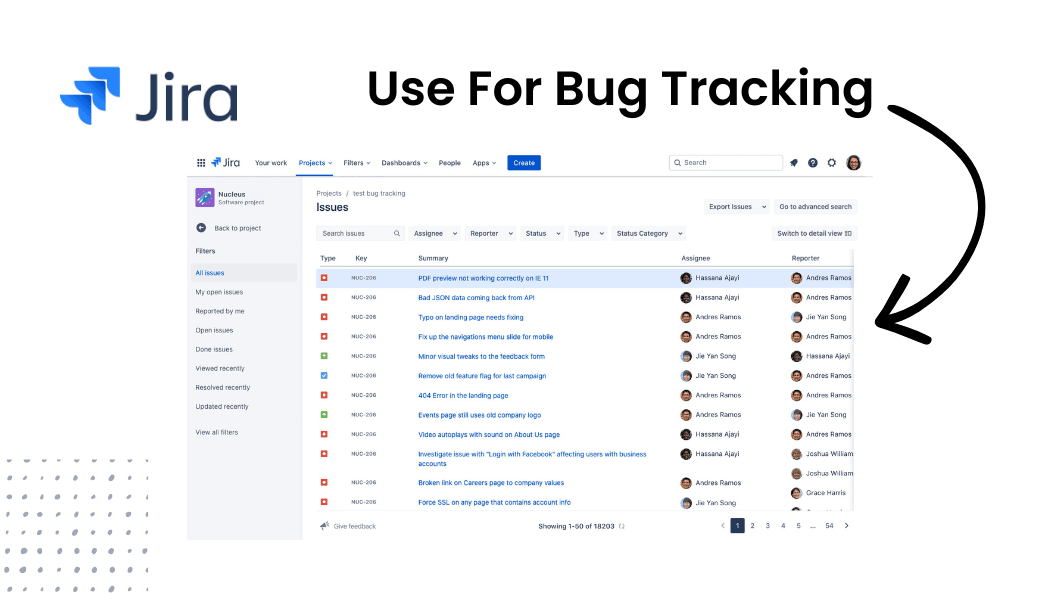
We have all been there. A user or a PM reports a bug. You open Jira and the "Steps to Reproduce" section is either a single, cryptic sentence or a series of bullet points that, when followed, lead absolutely nowhere.
Now the dance begins:
You ask for a screenshot.
They send a cropped image of a button.
You ask for console logs.
They ask, "What’s a console log?"
You hop on a 15-minute Zoom call that turns into 45 minutes.
By the time you actually find the bug, you have lost the morning. Your developers aren't building features; they’re playing digital detective.
At my previous startup, Warmcal, this was the "back-and-forth" nightmare that kept us from shipping. I realized we weren't just losing time; we were losing momentum.
The 20% Velocity Tax
When we talk about technical debt, we usually talk about messy code. We rarely talk about Communication Debt.
Communication debt is the tax you pay for every incomplete bug report. If your senior dev spends just one hour a day chasing context; browser versions, OS details or the specific sequence of clicks, that’s 12.5% of their day gone. Add in the "context switching" cost of getting back into the flow and you are easily looking at a 20% hit to your total engineering output.
You are not paying your team to ask people to "Hard Refresh" their browsers. You are paying them to solve hard problems.
The Myth of the "Perfect" Bug Report
Most teams try to solve this with better documentation. They create complex Jira templates with mandatory fields.
It doesn't work. Why? Because your users (and even your non-technical teammates) don't want to be QA engineers. They want to tell you something is broken and get back to their jobs. Asking a customer to install a Chrome extension or record a Loom just to help you fix your product is a huge ask. Most won't do it.
Stop Asking, Start Capturing
The solution isn’t better templates. It’s better telemetry.
We built Bugtrotter to kill the "Steps to Reproduce" friction entirely. Instead of begging for details, we decided to automate the context.
We developed a no-install video reporting widget. Your user clicks "Report," records their screen, and hits send. No extensions. No accounts. No friction.
But the magic isn't just the video. While the user is recording, Bugtrotter is silently working in the background:
Console Logs: Captured automatically.
Network Requests: Metadata attached.
System Info: OS, Browser version, and Screen resolution included.
Direct Sync: Everything lands in Jira or your chosen help desk instantly.
When your developer opens the ticket, they don't see a vague complaint. They see a video of the bug happening alongside the exact line of code where the console threw an error.
Reclaiming Your Sprint
If you can eliminate the back-and-forth, you don't just fix bugs faster, you ship features sooner. You protect your team's deep work blocks. You turn "It doesn't work" from a frustration into a 2-minute fix.
Stop letting bad bug reports dictate your roadmap. It’s time to stop playing detective and start building again.
Join the Founding Member Beta
We are looking for early SaaS companies to help us refine the future of bug reporting. No more "Steps to Reproduce" ghost chases.
Get BugTrotter for a flat $99/month for life. Lock in Founding Member Pricing →
View more articles
Learn actionable strategies, proven workflows, and tips from experts to help your product thrive.